
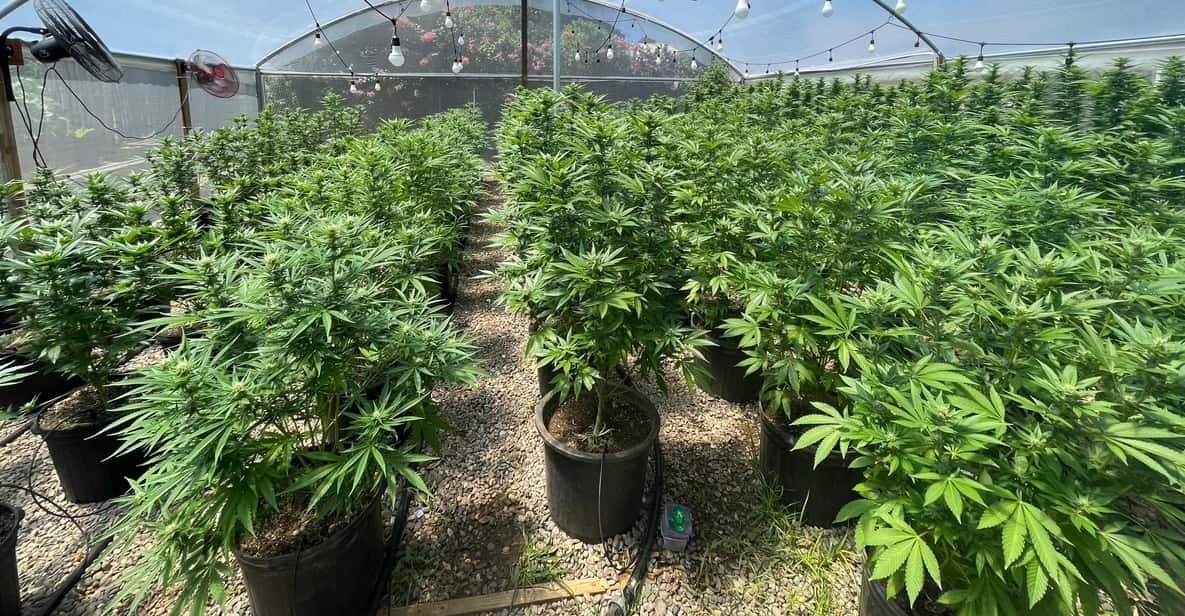
The world of ganja farming has evolved significantly over the past few decades. What was once an underground activity is now, in many regions, a legitimate agricultural business with massive economic potential. For businesses like Smart Buds Coffee Shop, understanding the journey of a ganja farmer—from seed to sale—is essential to appreciating the quality and craftsmanship behind premium cannabis products.
This article explores the life of a ganja farmer, including cultivation techniques, daily responsibilities, challenges faced, and the growing opportunities in this rapidly expanding industry.
Understanding Ganja Farming
Ganja farming refers to the cultivation of cannabis plants specifically for recreational or medicinal use. Farmers carefully grow and harvest cannabis to ensure high-quality buds that meet consumer expectations. The process requires deep knowledge of agriculture, plant biology, climate conditions, and market demand.
Modern ganja farming is far more advanced than traditional methods. Today’s farmers use scientific approaches, controlled environments, and innovative techniques to maximize yield and potency.
The Journey Begins: Seed Selection
Every successful ganja farm starts with selecting the right seeds. This step is crucial because genetics determine the plant’s quality, potency, flavor, and resistance to diseases.
Farmers typically choose between:
- Indica strains – Known for relaxation and calming effects
- Sativa strains – Associated with energy and creativity
- Hybrid strains – A balanced combination of both
High-quality seeds ensure better yields and premium-grade buds, which are essential for businesses like Smart Buds Coffee Shop that prioritize quality.
Cultivation Techniques
1. Indoor Farming
Indoor ganja farming allows complete control over environmental factors such as light, temperature, and humidity. Farmers use grow lights, ventilation systems, and hydroponic setups to create the perfect growing conditions.
Advantages:
- Year-round production
- Controlled quality
- Protection from pests and weather
Disadvantages:
- High setup and electricity costs
2. Outdoor Farming
Outdoor farming relies on natural sunlight and environmental conditions. This method is more cost-effective but less predictable.
Advantages:
- Lower costs
- Natural growth process
- Larger plant sizes
Disadvantages:
- Weather dependency
- Risk of pests and theft
3. Greenhouse Farming
Greenhouse cultivation combines the best of both worlds. Farmers use natural sunlight while maintaining some environmental control.
Advantages:
- Balanced cost and control
- Improved yields
- Eco-friendly
The Growth Stages of Cannabis
Ganja farming involves several key stages:
1. Germination
Seeds sprout and begin developing roots.
2. Vegetative Stage
Plants grow rapidly, developing leaves and stems.
3. Flowering Stage
This is the most important phase, where buds form and mature.
4. Harvesting
Farmers carefully cut and collect the buds at peak potency.
5. Drying and Curing
This process enhances flavor, aroma, and overall quality.
Each stage requires careful monitoring and expertise to ensure optimal results.
Daily Life of a Ganja Farmer
Being a ganja farmer is not as simple as planting seeds and waiting for harvest. It involves daily tasks such as:
- Monitoring plant health
- Adjusting light and water levels
- Checking for pests and diseases
- Maintaining soil or hydroponic systems
- Pruning and trimming plants
Farmers must stay attentive and responsive to changes in plant behavior. Even small mistakes can affect the final product quality.
Challenges Faced by Ganja Farmers
1. Legal Regulations
One of the biggest challenges is navigating complex legal frameworks. Laws regarding cannabis vary widely across regions, and farmers must comply with strict regulations.
2. Climate and Environmental Factors
Outdoor farmers face unpredictable weather conditions such as:
- Drought
- Excess rainfall
- Temperature fluctuations
3. Pests and Diseases
Cannabis plants are vulnerable to pests like spider mites and fungal infections. Farmers must use safe and effective methods to protect their crops.
4. High Initial Investment
Setting up a professional ganja farm—especially indoor or greenhouse—requires significant capital for:
- Equipment
- Land
- Licensing
- Labor
5. Market Competition
As the cannabis industry grows, competition increases. Farmers must focus on quality, branding, and consistency to stand out.
The Role of Technology in Modern Ganja Farming
Technology has transformed ganja farming into a sophisticated agricultural practice. Farmers now use:
- Automated irrigation systems
- Climate control technologies
- LED grow lights
- Data analytics for crop monitoring
These innovations help improve efficiency, reduce costs, and ensure consistent quality.
Sustainability in Ganja Farming
Sustainability is becoming increasingly important in cannabis cultivation. Eco-conscious farmers are adopting practices such as:
- Organic farming methods
- Water conservation techniques
- Renewable energy usage
- Reduced chemical inputs
Sustainable farming not only protects the environment but also appeals to modern consumers who value eco-friendly products.
Economic Opportunities
The legalization of cannabis in many regions has opened up massive economic opportunities. Ganja farming is now part of a multi-billion-dollar industry that includes:
- Retail coffee shops
- Medical cannabis suppliers
- Edibles and infused products
- CBD-based wellness items
For businesses like Smart Buds Coffee Shop, working with skilled ganja farmers ensures a steady supply of high-quality products that meet customer expectations.
Quality Matters: From Farm to Coffee Shop
The journey from a ganja farm to a coffee shop shelf is long and detailed. Quality control plays a critical role at every stage.
Farmers must ensure:
- Proper curing for enhanced flavor
- Clean and safe products
- Consistent potency
- Attractive bud appearance
These factors directly impact customer satisfaction and brand reputation.
The Human Side of Ganja Farming
Behind every premium cannabis product is a dedicated farmer who invests time, effort, and passion into their craft. Ganja farming is not just a business—it’s a lifestyle.
Farmers often develop a deep connection with their plants, treating them with care and attention similar to any traditional agricultural practice. This passion is reflected in the final product quality.
Future of Ganja Farming
The future of ganja farming looks promising as the industry continues to grow. Key trends include:
- Increased legalization worldwide
- Advancements in cultivation technology
- Expansion of cannabis-based products
- Greater focus on sustainability
As demand rises, skilled ganja farmers will play an essential role in shaping the industry.
Conclusion:
Ganja farming is a complex and rewarding profession that combines agriculture, science, and business. From selecting the right seeds to harvesting premium buds, every step requires expertise and dedication.
For Smart Buds Coffee Shop, partnering with experienced ganja farmers ensures access to top-quality cannabis products that customers can trust and enjoy. As the industry continues to evolve, the role of ganja farmers will become even more vital in delivering excellence and innovation.
Understanding their journey not only highlights the effort behind each product but also strengthens the connection between growers, businesses, and consumers.

