
Understanding cannabis compounds can feel confusing, especially when you come across terms like THCA and THC. While they sound similar, these two compounds have very different effects, uses, and benefits. Whether you’re new to cannabis or looking to deepen your knowledge, this guide will break down everything you need to know about THCA vs THC in a simple and practical way.
Introduction to Cannabis Compounds
Cannabis plants contain over 100 naturally occurring compounds called cannabinoids. Among these, THC is the most well-known, but THCA is just as important—especially in raw cannabis.
- THC (Tetrahydrocannabinol) is the compound responsible for the psychoactive “high.”
- THCA (Tetrahydrocannabinolic Acid) is the non-psychoactive precursor to THC.
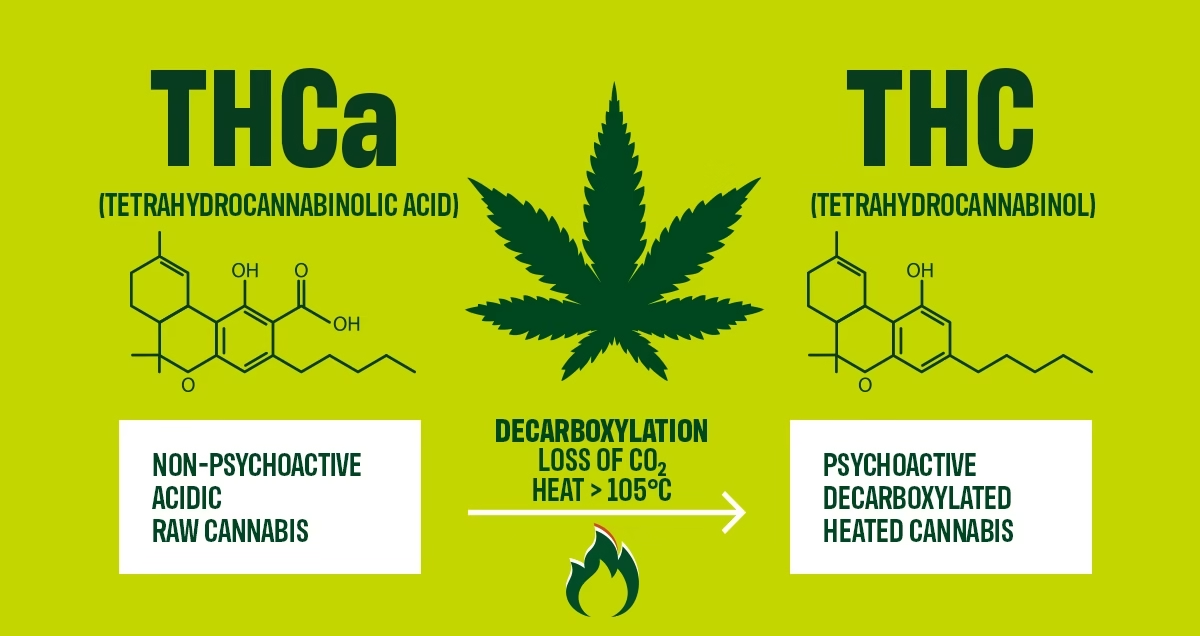
In simple terms, THCA becomes THC when heat is applied.
What Is THCA?
THCA is the raw, natural form of THC found in freshly harvested cannabis plants. Before cannabis is heated, it exists primarily as THCA.
Key Characteristics of THCA:
- Non-psychoactive (does NOT get you high)
- Found in raw and live cannabis
- Converts into THC when heated (smoking, vaping, or cooking)
How THCA Works
THCA interacts differently with the body compared to THC. It does not bind effectively with CB1 receptors in the brain, which is why it doesn’t produce intoxicating effects.
Potential Benefits of THCA
Although research is still ongoing, THCA has shown promise in several areas:
- Anti-inflammatory properties
- Neuroprotective effects
- Anti-nausea benefits
- Potential support for joint pain
Many users consume THCA through raw cannabis juice, tinctures, or capsules to experience these benefits without getting high.
What Is THC?
THC is the activated form of THCA and is responsible for the psychoactive effects associated with cannabis use.
Key Characteristics of THC:
- Psychoactive (produces a “high”)
- Found in dried and heated cannabis
- Interacts strongly with the brain’s CB1 receptors
How THC Works
THC binds to cannabinoid receptors in the brain, affecting mood, memory, pain perception, and appetite. This interaction is what creates the euphoric and relaxing effects many users seek.
Effects of THC
Common effects of THC include:
- Euphoria or happiness
- Relaxation
- Increased appetite (“munchies”)
- Altered perception of time
- Pain relief
However, high doses may cause anxiety or dizziness, especially for beginners.
THCA vs THC: The Core Difference
The main difference between THCA and THC comes down to heat and chemical structure.
| Feature | THCA | THC |
| Psychoactive | No | Yes |
| Found in | Raw cannabis | Heated cannabis |
| Effects | Therapeutic, non-intoxicating | Euphoric, intoxicating |
| Activation | Needs heat | Already active |
Decarboxylation: The Key Process
The conversion of THCA into THC is called decarboxylation. This happens when cannabis is exposed to heat through:
- Smoking
- Vaping
- Cooking (edibles)
Without this process, THCA remains inactive in terms of psychoactive effects.
How Consumption Methods Affect THCA and THC
The way you consume cannabis determines whether you experience THCA or THC.
Raw Consumption (THCA)
If you consume cannabis without heating it, you are mainly ingesting THCA.
Examples:
- Fresh cannabis juice
- Raw cannabis smoothies
- THCA tinctures
Heated Consumption (THC)
When cannabis is heated, THCA converts into THC.
Examples:
- Smoking flower
- Vaping concentrates
- Edibles (after cooking)
Medical Uses: THCA vs THC
Both compounds have potential therapeutic applications, but they serve different purposes.
THCA Medical Uses
THCA is often preferred by users who want health benefits without intoxication.
Possible uses:
- Managing inflammation
- Supporting brain health
- Reducing nausea
- Helping with autoimmune conditions
THC Medical Uses
THC is widely used in medical cannabis programs for its stronger effects.
Common uses:
- Chronic pain relief
- Insomnia treatment
- Appetite stimulation
- Anxiety and stress relief (in controlled doses)
Legal Status of THCA vs THC
The legal status of THCA and THC can vary depending on location.
- THC is often regulated due to its psychoactive nature.
- THCA may be legal in some areas because it is non-psychoactive—however, laws can be complex since it can convert into THC.
Always check your local regulations before purchasing or using cannabis products.
Which One Should You Choose?
Choosing between THCA and THC depends on your personal goals.
Choose THCA if you:
- Want health benefits without getting high
- Prefer a clear-headed experience
- Are new to cannabis
Choose THC if you:
- Want relaxation or euphoria
- Need stronger pain relief
- Are comfortable with psychoactive effects
THCA Flower vs THC Flower
You may have seen products labeled as THCA flowers. This can be confusing, but here’s the truth:
- THCA flower is essentially raw cannabis with high THCA content.
- When you smoke it, it becomes THC—meaning you will feel high.
So, the difference is more about labeling than actual experience after use.
Common Myths About THCA and THC
Myth 1: THCA Gets You High
False. THCA is non-psychoactive unless heated.
Myth 2: THCA Is Not Useful
False. THCA has potential therapeutic benefits even without intoxication.
Myth 3: THCA and THC Are Completely Different Compounds
Partially false. THCA is the precursor to THC—they are chemically related.
Safety and Side Effects
THCA Safety
THCA is generally considered safe and well-tolerated, with minimal side effects.
THC Side Effects
THC can cause:
- Dry mouth
- Red eyes
- Anxiety (in high doses)
- Impaired memory
Start with low doses if you are new to THC.
The Future of THCA and THC
As cannabis research continues to grow, both THCA and THC are gaining attention for their unique benefits.
- THCA is becoming popular in wellness products
- THC continues to dominate recreational and medical markets
Brands like Smart Buds Coffee Shop are helping educate consumers and provide high-quality cannabis products tailored to different needs.
Final Thoughts:
Understanding the difference between THCA and THC is essential for making informed cannabis choices. While they come from the same plant, their effects are completely different.
- THCA offers therapeutic benefits without intoxication
- THC provides the classic cannabis high along with powerful relief
By choosing the right compound and consumption method, you can customize your cannabis experience to match your lifestyle and goals.
Whether you’re looking for relaxation, relief, or wellness, knowing the difference between THCA and THC puts you in control of your journey.

